Preparing Your Plumbing for Winter in North Georgia
Winter in North Georgia might not rival the bitter cold of the north, but it still brings enough chill to cause plumbing problems if you’re not careful. Pipes can freeze, fixtures can crack, and a minor issue can quickly snowball into a costly repair. That benign said, with a little preparation, you can winter-proof your plumbing and avoid a lot of headaches.
Here are some practical, homeowner-friendly tips to keep your plumbing cozy during the colder months.
1. Wrap Up Those Pipes
Exposed pipes are sitting ducks when temperatures drop. Insulating your pipes is a simple, cost-effective way to prevent them from freezing and bursting. Focus on areas like crawl spaces, garages, or exterior walls since these spots are typically less insulated. Foam pipe sleeves are easy to install and saves you from a pricey emergency later.
2. Disconnect Outdoor Hoses
Leaving a garden hose attached traps water in your outdoor faucet. When the temperatures dip, this trapped water freezes, expands, and cracks the faucet or even the pipes connected to it. Take a few minutes to disconnect and store your hoses before Jack Frost makes his appearance.
3. Drain Outdoor Faucets
After you’ve disconnected those hoses, drain and shut off your outdoor faucets. Some North Georgia homes are equipped with frost-proof spigots, but if yours aren’t, pay attention to this. Use a faucet cover for added protection if you’re particularly worried about freezing temperatures.
4. Know Where Your Shut-Off Valve Is
If a pipe does burst (knock on wood), turning off your main water valve quickly saves you from extensive damage. Locate it now so you’re not scrambling in the middle of a plumbing emergency.
5. Seal Up Drafty Areas
Drafty windows, doors, or gaps in your home’s foundation bring in cold air, which puts nearby pipes at risk of freezing. Check these spots and seal them up with caulk or weather stripping. Not only will this protect your plumbing, but it’ll also help keep your home warmer and keep your central heating from overworking.
6. Keep a Trickling Faucet on Extra-Cold Nights
It might sound a little counterproductive, but letting your faucet drip during freezing weather helps. Running water is less likely to freeze, and that small trickle keeps pressure from building up in your pipes.
7. Inspect Your Water Heater
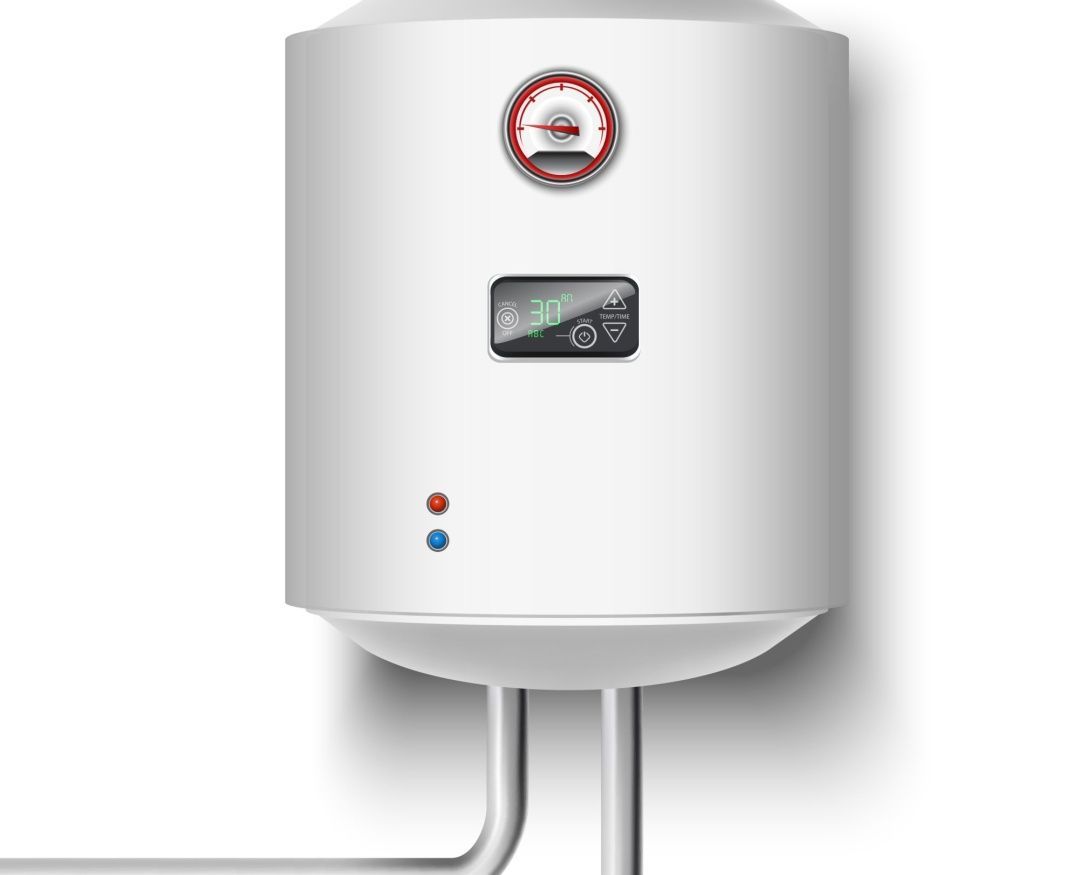
Your water heater works overtime during the winter to supply warm water for showers, dishwashing, and laundry. Make sure it’s in top shape by flushing out sediment build-up and having it inspected. A failing water heater in the dead of winter isn’t fun for anyone.
8. Check for Leaks
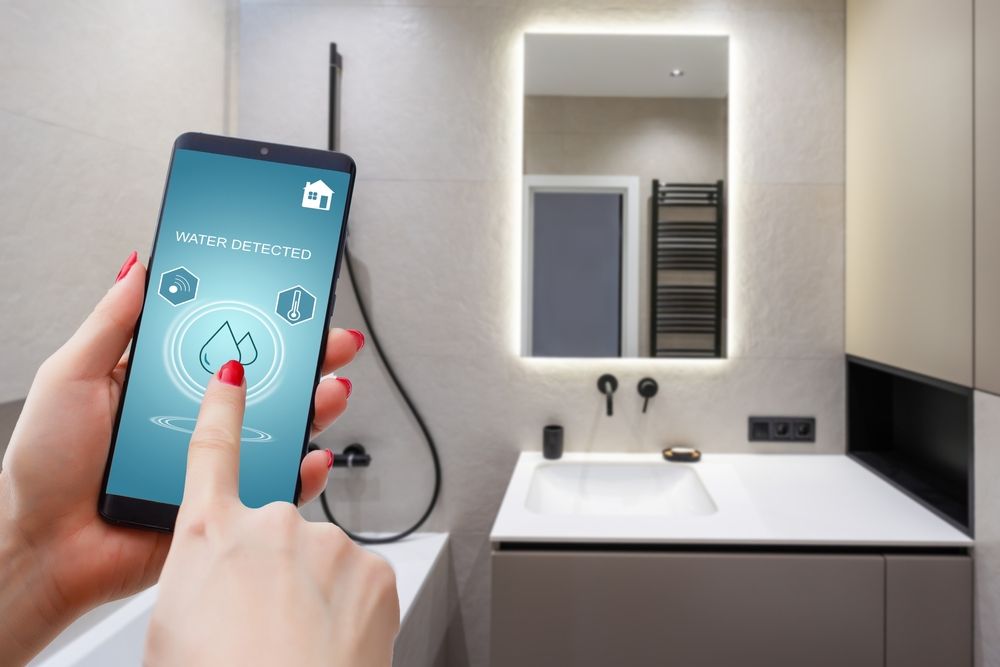
Small leaks might not seem like a big deal during warmer months, but in freezing temperatures, they’re an invitation for major damage. Inspect under sinks, around toilets, and in your basement for any drips or puddles. If you spot something, it’s best to address it now before winter makes it worse.
9. Test Sump Pumps
If your home has a sump pump, don’t forget about it! Make sure it’s working properly to avoid flooding issues on those rare but pesky winter storm days. Simply pour a bucket of water into the sump pit and see if the pump activates. If it doesn’t, you should look into getting it serviced.
10. Call in the Pros for a Pre-Winter Checkup
Sometimes, you just need a professional set of eyes to catch things you might miss. A professional plumber can give a thorough assessments to help homeowners prep for winter. From pipe insulation to water heater maintenance, the experts have the skill to make sure your system is ready for the colder months ahead.
Why Winter Prep Matters
Skipping these steps is tempting, but the consequences hit hard. A burst pipe leads to water damage, skyrocketing repair costs, and a whole lot of stress. Not to mention, waiting until something breaks means higher costs and bigger headaches than if you had prepared ahead of time.
At the end of the day, preventing plumbing problems is so much easier than fixing them. Winterizing your home is for protecting your plumbing and keeping weights off your shoulders.
FAQs
Q1. What’s the easiest way to prevent pipes from freezing in winter?
The simplest step is to insulate your exposed pipes, especially in unheated areas like crawl spaces or garages. Foam pipe sleeves are affordable and easy to install. Also, letting faucets trickle during freezing nights prevent pressure buildup that leads to burst pipes.
Q2. How do I know if my outdoor faucets are ready for winter?
First, disconnect any garden hoses attached to outdoor faucets. Then, drain the faucet and shut off its water supply if possible. Adding a faucet cover is a great extra precaution, especially for older setups without frost-proof spigots.
You might also like